Define what is affected
Document relevant rooms, surfaces, materials and concealed areas identified during assessment.
→
Turn inspection findings into an organised plan for removal, drying, repair and verification. We help everyone involved work from the same property evidence.
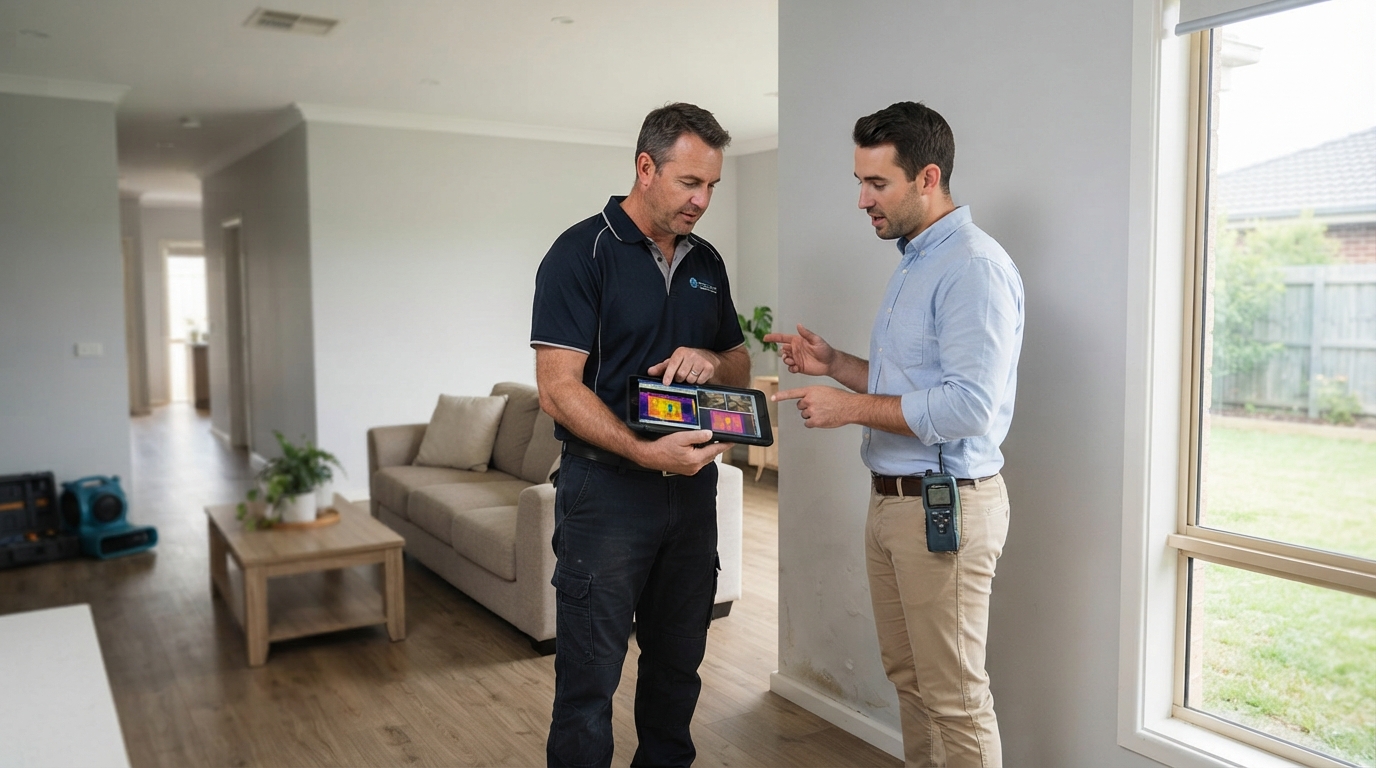
Remediation is easier to manage when affected materials, likely causes and work priorities are documented before removal begins.
Document relevant rooms, surfaces, materials and concealed areas identified during assessment.
→
Connect mould conditions with leaks, dampness, condensation, ventilation or building defects.
→
Separate urgent controls from removal, drying, repair and longer-term prevention measures.
→
Give owners, contractors and managers a shared reference for completion and follow-up.
→
A connected plan helps avoid removing finishes before moisture is controlled, repairing too early, or losing important evidence during the work.
Control active water entry, isolate affected areas where appropriate and prevent conditions from worsening.
Set out affected locations, relevant materials, access considerations and the recommended order of work.
Support a controlled process that accounts for moisture, cleaning, disposal and drying requirements.
Confirm the property is ready for reinstatement and document relevant completion evidence.
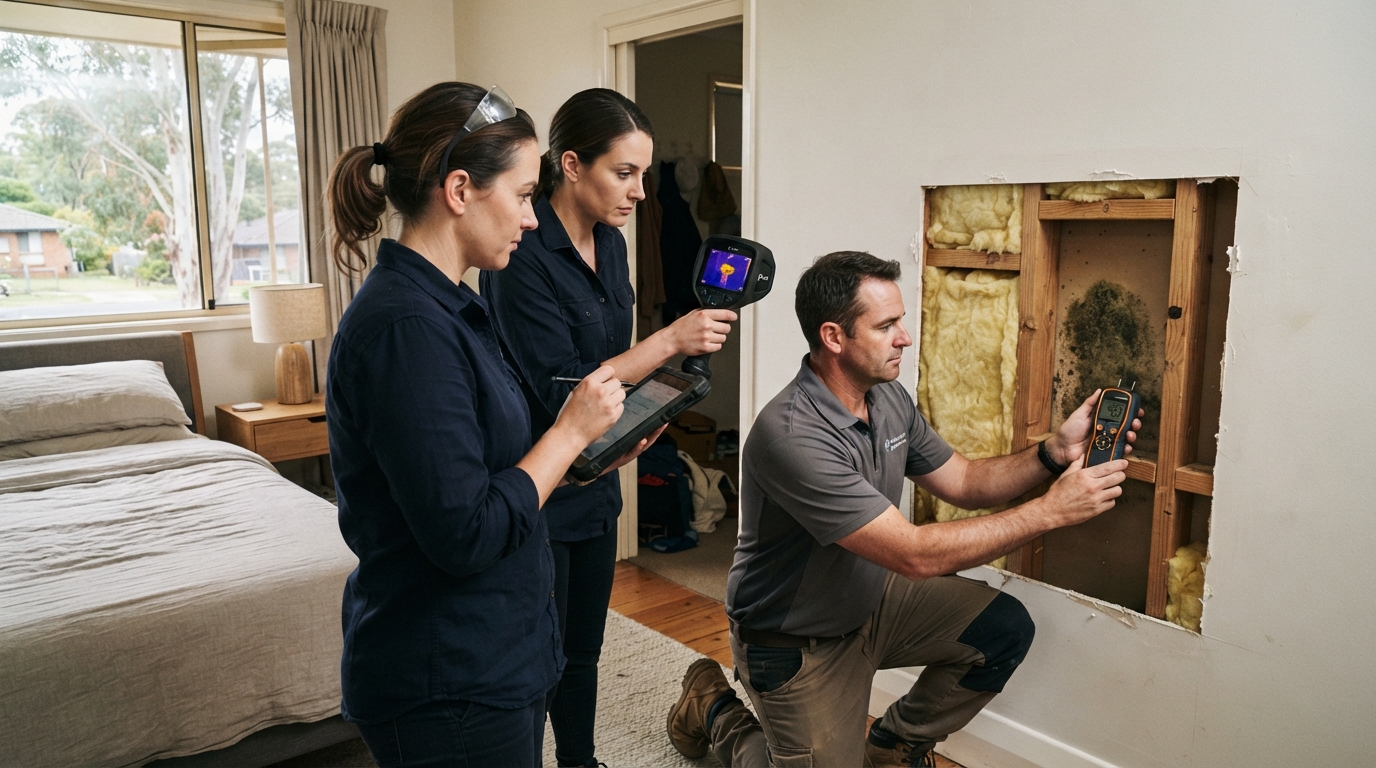
A remediation scope organises the known conditions into a practical reference. It helps reduce uncertainty when obtaining quotes, planning access and coordinating different trades.
Post-remediation support considers whether the agreed work has been completed and whether relevant conditions are suitable for repair, reinstatement or occupation decisions.
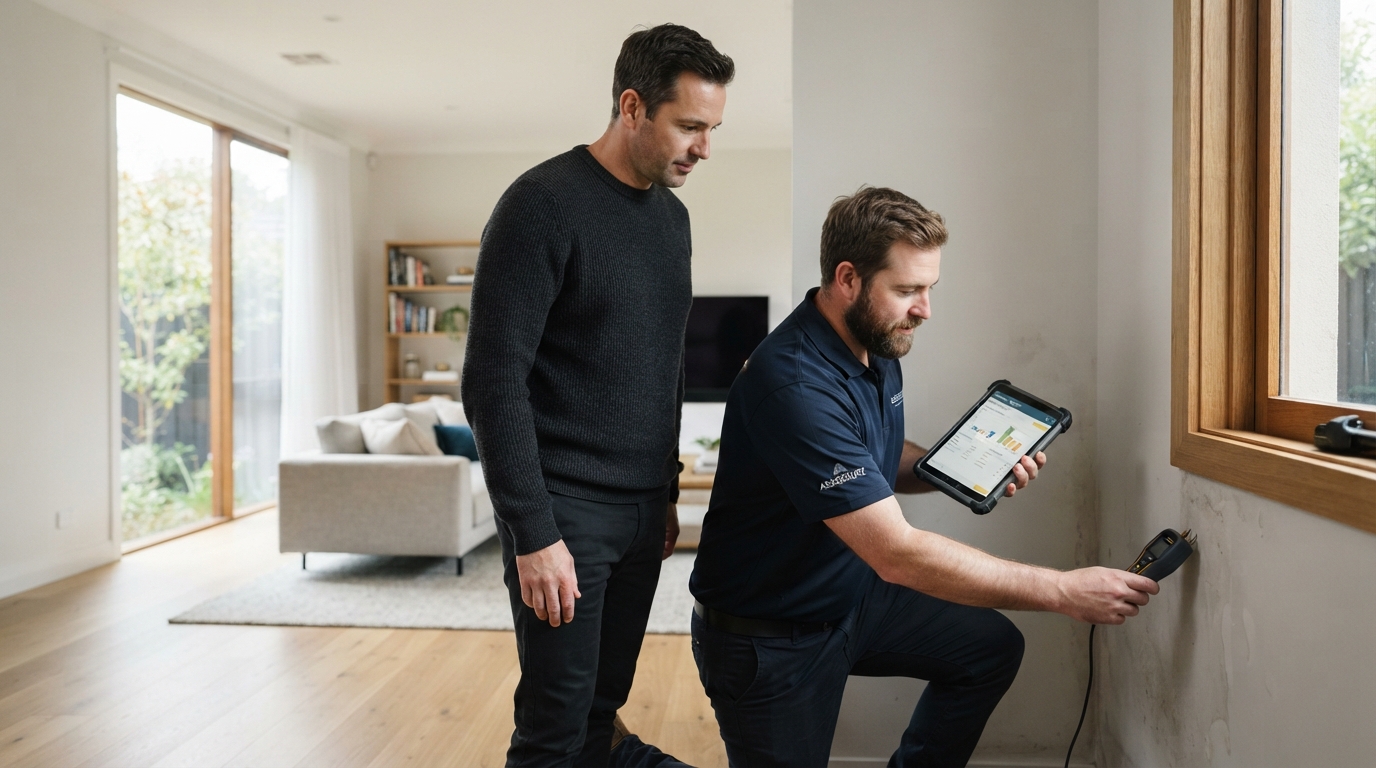
Tell us what has been found and where the remediation process currently stands.
Your trusted mould inspection specialists across Australia. Professional residential and commercial inspections, air quality testing and detailed reporting.
“Helping People Is Our Business”