Mould & Moisture Cost Guide
How Much Does Mould Removal Cost in Geelong?
Understand the factors that can affect mould removal costs and the information to discuss with an inspection team.

Average Mould Removal Cost in Geelong (2026)
The cost of mould removal varies considerably between properties. Treating a small patch on bathroom tiles is generally less expensive than removing mould-affected plasterboard or repairing extensive water damage. The following table provides indicative Australian market price ranges that can be used for initial budgeting in Geelong.| Mould Removal Service | Estimated Cost (AUD) |
|---|---|
| Small surface mould treatment | $300–$500 |
| Bathroom mould removal | $300–$1,500 |
| Bedroom mould removal | $500–$2,000 |
| Wall mould removal | $400–$3,000 |
| Ceiling mould removal | $500–$2,000 |
| Subfloor or roof cavity treatment | $1,500–$5,000 |
| Multiple-room mould removal | $2,000–$6,000+ |
| Extensive structural remediation | $6,000–$20,000+ |
Mould Inspection and Testing Costs in Geelong
Before arranging expensive removal work, it is important to understand how widespread the problem is and what is causing the moisture.Professional Mould Inspection Cost
A basic professional mould inspection may cost approximately $150–$350, while detailed investigations involving multiple rooms, advanced moisture assessments or extensive reporting may cost considerably more. During an inspection, a specialist can examine visible mould, investigate relevant moisture pathways, review affected materials and identify areas that need further attention. A clear assessment helps property owners make better decisions about suitable remediation work.Air Quality Testing Cost
Professional air sampling may cost approximately $250–$300 or more, depending on the sampling requirements and laboratory analysis. Air quality testing can be useful when occupants report persistent musty odours, when hidden mould is suspected or when additional evidence is needed. However, laboratory testing is not essential for every visible mould problem.Mould Reports and Remediation Planning
A detailed mould report may document affected locations, moisture findings, photographs, test results where relevant and recommendations for further action. Reporting and remediation planning costs vary according to the property’s size and the level of investigation required. A written scope can also help property owners compare removal quotes more accurately.What Factors Affect Mould Removal Prices?
1. Size of the Affected Area
The extent of mould growth is one of the biggest pricing factors. A small patch around a bathroom window may require limited treatment, while mould across several bedrooms may need more labour, equipment and containment measures. Larger areas can also require additional cleaning stages and disposal of contaminated materials.2. Location of the Mould
Accessible surfaces are generally easier and cheaper to treat than concealed areas. Mould behind walls, beneath carpets, inside ceiling cavities or within subfloors may require additional investigation and specialised access. These situations can increase the overall cost because the affected materials may need to be carefully exposed or removed.3. Severity of Moisture Damage
Mould caused by a minor condensation problem may be relatively straightforward to manage. However, mould associated with long-term plumbing leaks, roof damage or flooding can require more extensive remediation. When moisture has entered plasterboard, insulation, timber or flooring, simply cleaning the visible surface may not solve the problem.4. Materials Affected
Non-porous surfaces such as glass and some tiles can often be cleaned effectively. Porous materials, including carpets, insulation and plasterboard, may require specialist treatment or replacement when contamination has penetrated deeply. Material removal, disposal and rebuilding can make remediation significantly more expensive.5. Equipment and Labour Requirements
Complex mould remediation may involve containment barriers, HEPA-filtered air equipment, personal protective equipment, specialist cleaning and multiple visits. Additional equipment and labour are reflected in the final quote.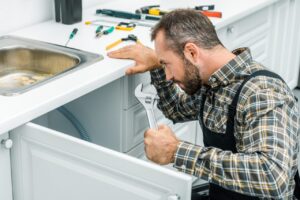
Additional Costs to Consider
The mould removal quote is not always the complete cost of solving the problem. Property owners should consider related work that may be necessary.| Additional Work | Cost Considerations |
|---|---|
| Plumbing repairs | Depends on the leak and accessibility |
| Roof leak repairs | Depends on roof condition and damage |
| Moisture detection | May be included in an assessment or charged separately |
| Air and surface testing | Depends on sample numbers and laboratory fees |
| Structural drying | Depends on affected materials and drying duration |
| Plasterboard replacement | Depends on the area removed and reinstatement work |
| Painting and finishing | Depends on surface preparation and room size |
| Post-remediation verification | May require a separate inspection or laboratory tests |
Professional Mould Removal vs DIY Cleaning
Small amounts of mould on accessible, hard, non-porous surfaces may sometimes be cleaned by property occupants using appropriate precautions. However, DIY treatment is not suitable for every mould problem. Professional support is generally advisable when mould covers a substantial area, keeps returning, is associated with flooding or affects porous building materials. Professional assessment is also particularly important when occupants have asthma or other respiratory sensitivities. Trying to scrub extensive mould without suitable containment can disturb spores and spread contamination to surrounding areas. Most importantly, cleaning mould without addressing leaks, condensation or ventilation problems may allow it to return.
How Professional Mould Remediation Works
Effective mould remediation usually involves several stages, depending on the extent and condition of the affected property.Initial Property Assessment
The process begins with identifying visible growth, moisture concerns and affected materials. A professional assessment helps determine the extent of the problem and whether additional investigation is required.Moisture Source Investigation
Potential sources such as plumbing leaks, roof damage, condensation and poor ventilation are examined. Identifying and addressing the moisture problem is essential for long-term mould management.Containment and Removal
Where necessary, remediation specialists isolate affected areas to limit the movement of contaminated dust. They then clean suitable surfaces or remove damaged materials according to the agreed work scope.Drying and Repairs
Affected areas must be adequately dried, and necessary moisture-source repairs must be completed. Severely damaged materials may require replacement before the property can be restored.Verification and Prevention
Following remediation, a suitable visual assessment, moisture review or further testing may help confirm whether the agreed work has been completed. Ongoing moisture control helps reduce the risk of future mould growth.Is Mould Removal Covered by Home Insurance?
Insurance coverage depends on the policy and the cause of mould growth. Some policies may provide cover when mould results directly from an insured event, such as certain sudden plumbing failures or storm damage. However, mould caused by gradual leaks, poor maintenance, long-term condensation or inadequate ventilation may be excluded. Property owners should review their insurance policy, contact their insurer and keep photographs, inspection findings and repair documentation before proceeding with substantial work. A professional mould report may help provide evidence about the property’s condition, although it does not guarantee an insurance claim will be accepted.How to Reduce Mould Removal Costs in Geelong
Early action can help prevent a minor moisture issue from becoming a major building repair. Regularly inspect bathrooms, laundries, kitchens, roof spaces and other areas where dampness may develop. Repair plumbing leaks promptly, maintain exhaust fans and improve ventilation where appropriate. If mould repeatedly appears after cleaning, consider arranging a professional inspection before paying for another surface treatment. When comparing quotes, check what each contractor includes. A cheaper quote may exclude drying, damaged-material removal, repairs or post-remediation checks. The most cost-effective solution is usually the one that addresses both the contamination and the underlying moisture problem.Professional Mould Inspections in Geelong
Understanding the cause and extent of mould growth is an important step before spending money on removal. Mould Inspections Australia supports property owners through professional mould inspections, air quality testing and remediation support. Our assessment and reporting services help homeowners, landlords, property managers and businesses identify moisture concerns, understand affected areas and plan suitable next steps. We focus on clear findings and practical recommendations that help clients make informed decisions about treatment, repairs and prevention.Frequently Asked Questions
1. How much does it cost to remove mould from a bathroom in Geelong?
Bathroom mould removal may cost approximately $300–$1,500, depending on the affected surfaces and severity. Additional costs may apply if water-damaged plasterboard, waterproofing or ventilation systems require repair.2. How much does it cost to remove mould from an entire house?
Whole-property mould removal can cost several thousand dollars. Extensive contamination involving building materials, structural drying and repairs can exceed $10,000–$20,000. An on-site assessment is needed for reliable pricing.3. Is a mould inspection necessary before removal?
An inspection is particularly useful when mould is extensive, hidden, recurring or linked to water damage. Small visible patches may not require laboratory testing, but understanding and fixing the moisture source remains important.4. Can mould return after professional removal?
Yes. Mould may return if moisture problems remain unresolved. Fixing leaks, controlling condensation, improving ventilation and adequately drying affected materials are important preventative measures.5. How long does professional mould removal take?
Small surface treatments may be completed within a day. Larger remediation projects can take several days or longer, especially where containment, structural drying, material replacement or repair work is necessary.Get Professional Mould Inspection Support in Geelong
The cost of mould removal in Geelong depends on the property’s condition, the extent of mould growth and the work required to address the moisture source. An early assessment can help you understand the problem and avoid unnecessary treatment costs. Mould Inspections Australia provides professional inspections, moisture assessments, reporting and remediation guidance to support informed property decisions. Contact Mould Inspections Australia to discuss your Geelong property and request a quote for the appropriate inspection service.Need a mould assessment for your Geelong property?
Request an inspection Your trusted mould inspection specialists across Australia. Professional residential and commercial inspections, air quality testing and detailed reporting.
“Helping People Is Our Business”
Quick Links
Our Services
Contact Us
Mobile
Email