Persistent odours or irritation
Targeted sampling may help investigate concerns when visible mould does not fully explain what occupants are experiencing.
Targeted air and surface sampling can help identify unseen mould conditions and give you laboratory-supported evidence for the next property decision.
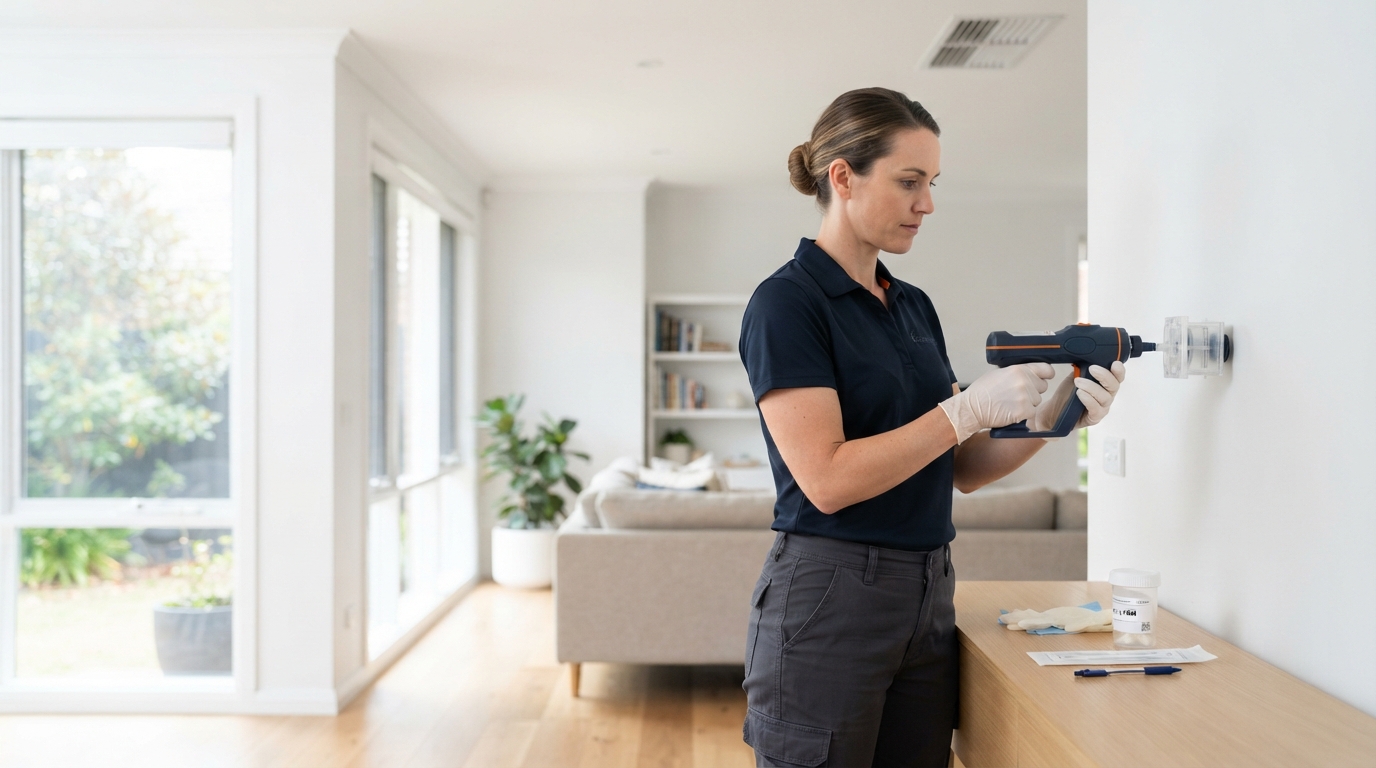
Testing is most useful when it answers a clear question. We help define that question before samples are collected.
Targeted sampling may help investigate concerns when visible mould does not fully explain what occupants are experiencing.
Air or surface evidence can support a broader assessment of concealed, intermittent or previously disturbed mould.
Testing may contribute to post-event documentation when interpreted alongside moisture conditions and inspection findings.
Independent evidence can provide useful context for buyers, owners, tenants, strata managers and commercial stakeholders.
There is no useful one-size-fits-all sample. The property history, inspection findings and purpose of testing determine what evidence should be collected.
Samples are selected and positioned to address the specific concern. Findings are then read alongside visual observations, moisture patterns, building conditions and relevant property history.
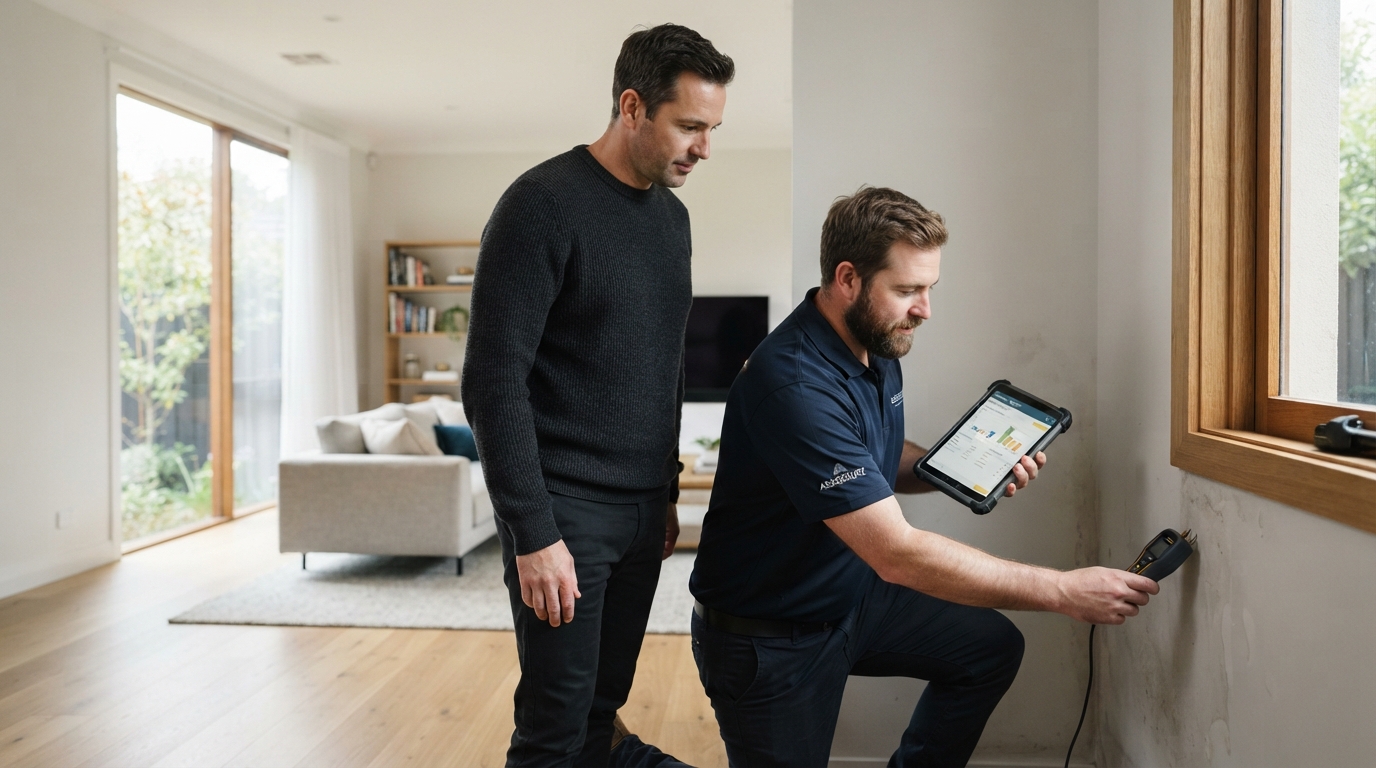
We discuss the concern, property history and decision the evidence needs to support.
Visible conditions, moisture and likely pathways guide the sampling strategy.
Selected samples are documented and submitted for independent laboratory analysis.
You receive clear interpretation, limitations and practical recommendations.
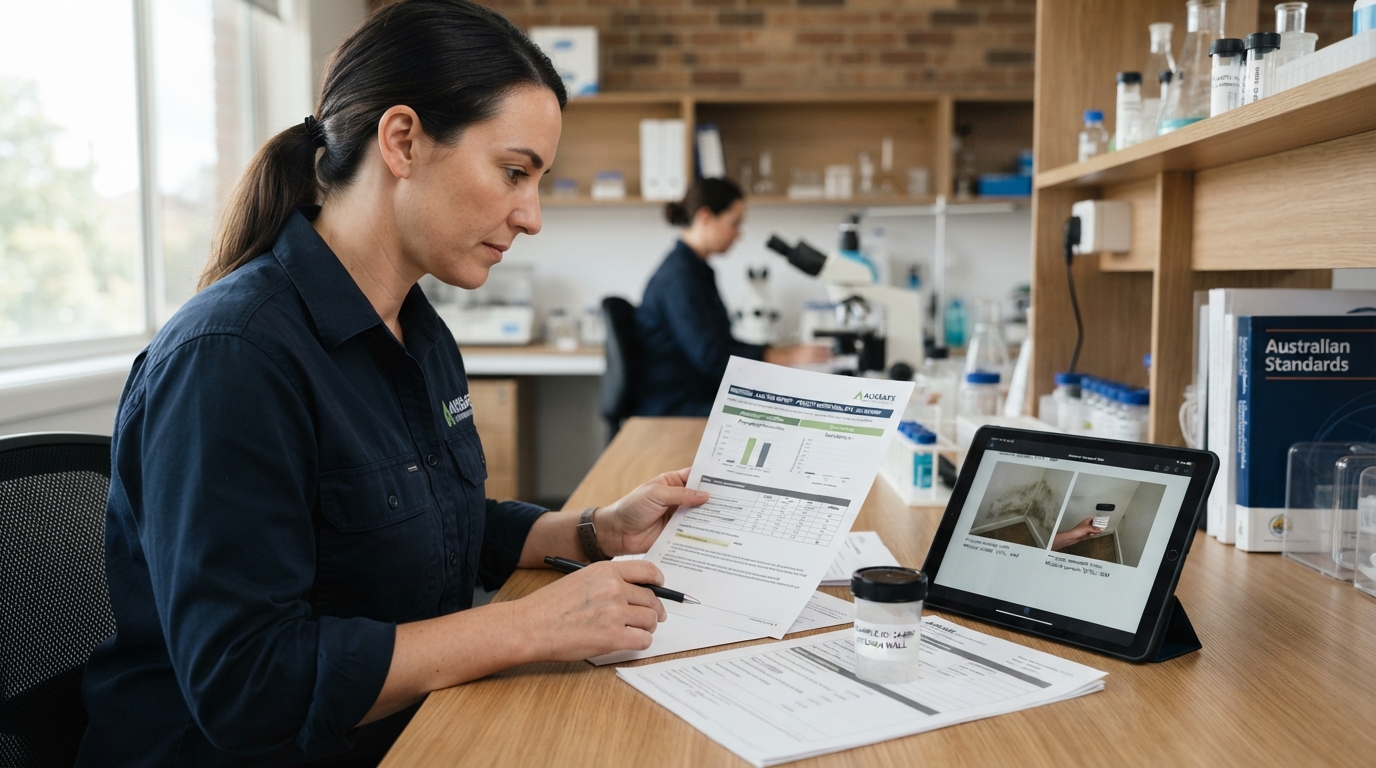
Numbers and organism identifications need context. We connect the laboratory findings with sample locations, moisture evidence, observations and the purpose of testing.
Describe what you have noticed and we will help define the appropriate next step.
Your trusted mould inspection specialists across Australia. Professional residential and commercial inspections, air quality testing and detailed reporting.
“Helping People Is Our Business”